

Homa: 54 Years of Hospitality | Ahmad Saeian: Five Homa Hotels in Four Cities Bring Contemporary International Standards to an Iranian Brand
Ahmad Saeian: Five Homa Hotels in Four Cities Bring Contemporary International Standards to an Iranian Brand.
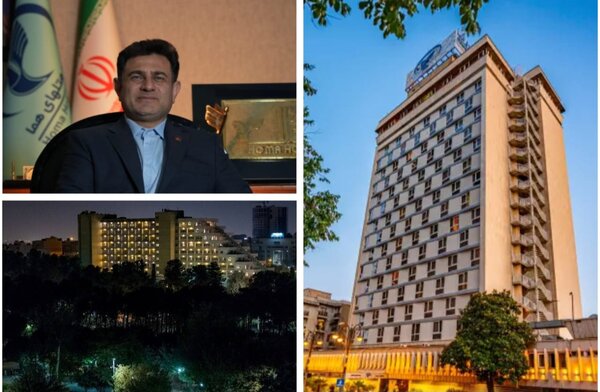
IranArt | Ahmad Saeian, Managing Director of Homa Hotels Group :
For a hospitality group, reaching 54 years of operation—more than half a century—is certainly a milestone that commands attention. It takes every tourist and travel enthusiast into the heart of thousands of nights spent under its roof, millions of arrivals and departures, business encounters, family journeys, honeymoons, pilgrimages, meetings, celebrations and memories—each one forming part of the oral history of this eastern land.
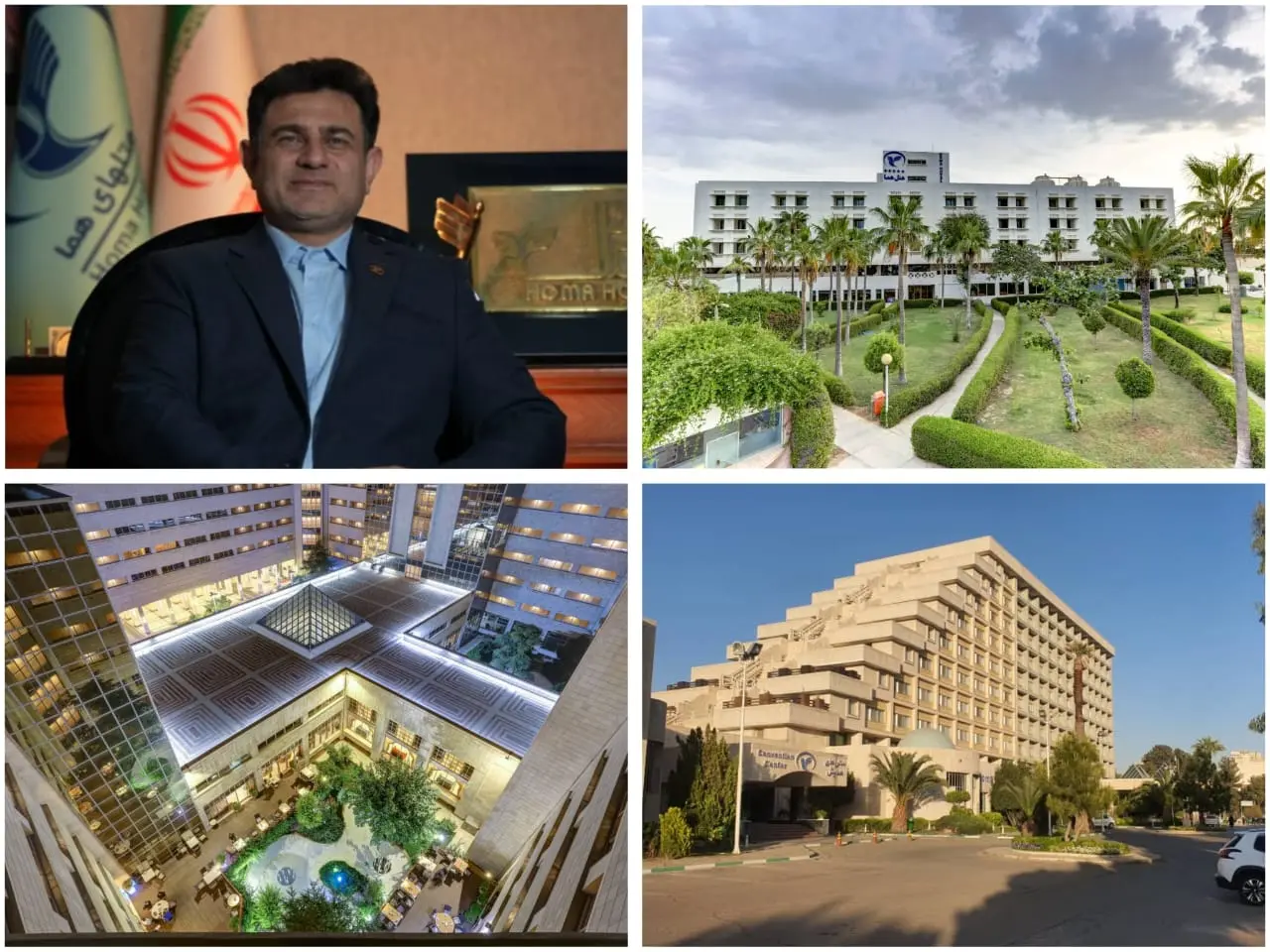
Homa Hotels Group began its journey on August 15, 1972, and today, 54 years later, operates five five-star hotels across Tehran, Mashhad, Shiraz and Bandar Abbas, offering more than 800 accommodation units to its guests.
But if I were to introduce Homa simply by the number of its hotels, rooms or years of operation, I would be leaving out an essential part of its story.
For me, Homa is more than a hotel group. It is an experience—one that, over more than five decades, has become intertwined with the lives and journeys of the people of Iran.
Five Hotels, Five Geographies
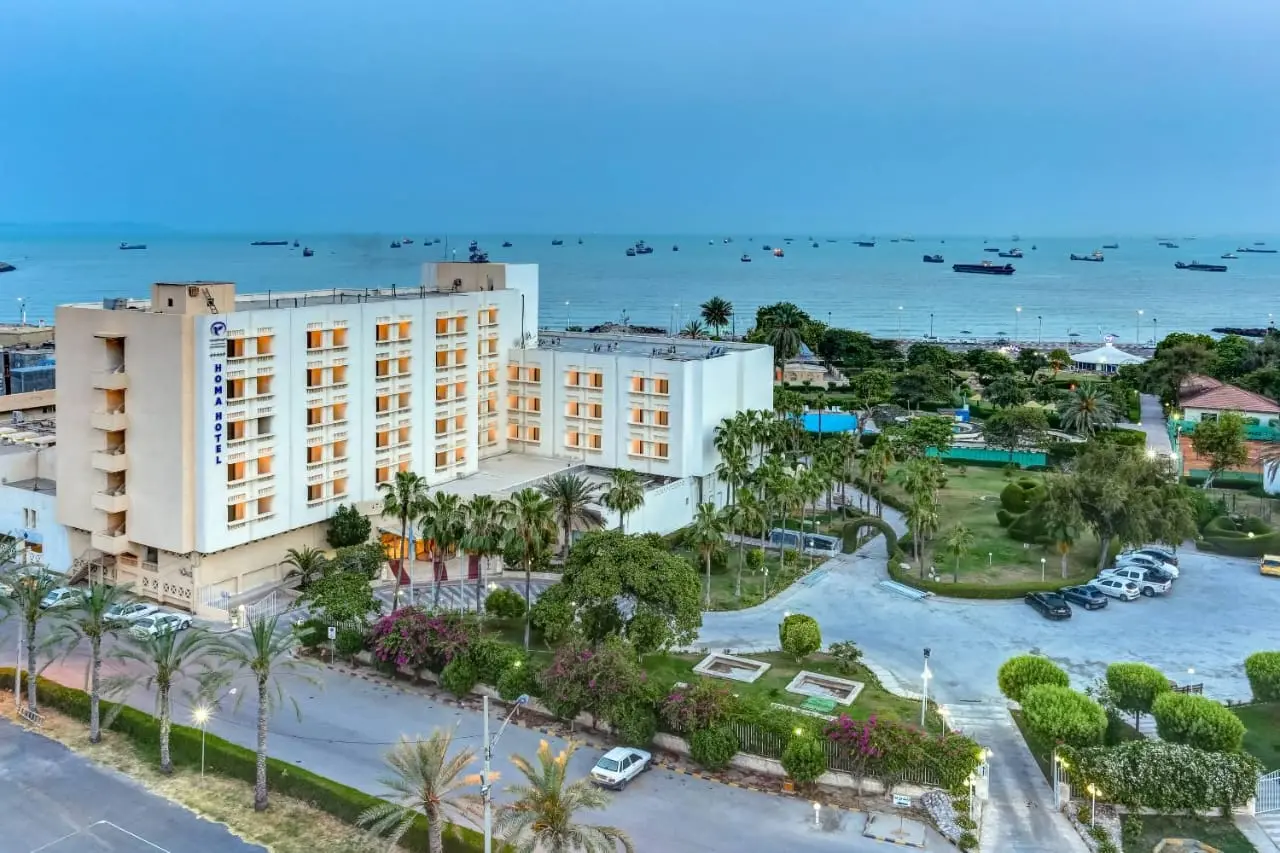
Today, when we speak of Homa Hotels Group, we are speaking of five hotels in four cities, each with its own distinct personality.
Homa Tehran, located in the heart of the capital in the Vanak district, has become part of the rhythm of urban life in Tehran. Opened in 1973, the hotel today offers 177 rooms and suites, together with accommodation, dining and event facilities, and remains one of the most recognized names in Tehran's hospitality landscape.
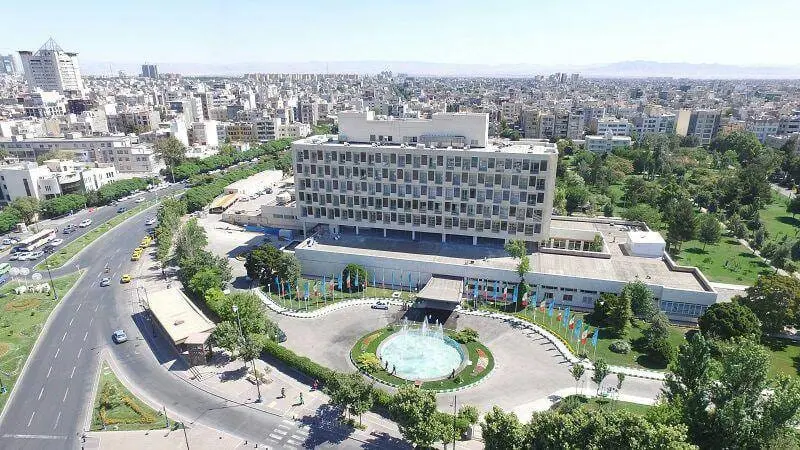
In Mashhad, two Homa hotels in different parts of the city offer two distinct experiences of hospitality.
Homa Ahmadabad, formerly known as Hyatt, is one of the city's longest-established five-star hotels. It has been part of the Ahmadabad district of Mashhad since 1973 and today welcomes pilgrims, tourists and travelers with a diverse range of rooms, suites, apartments and villas.
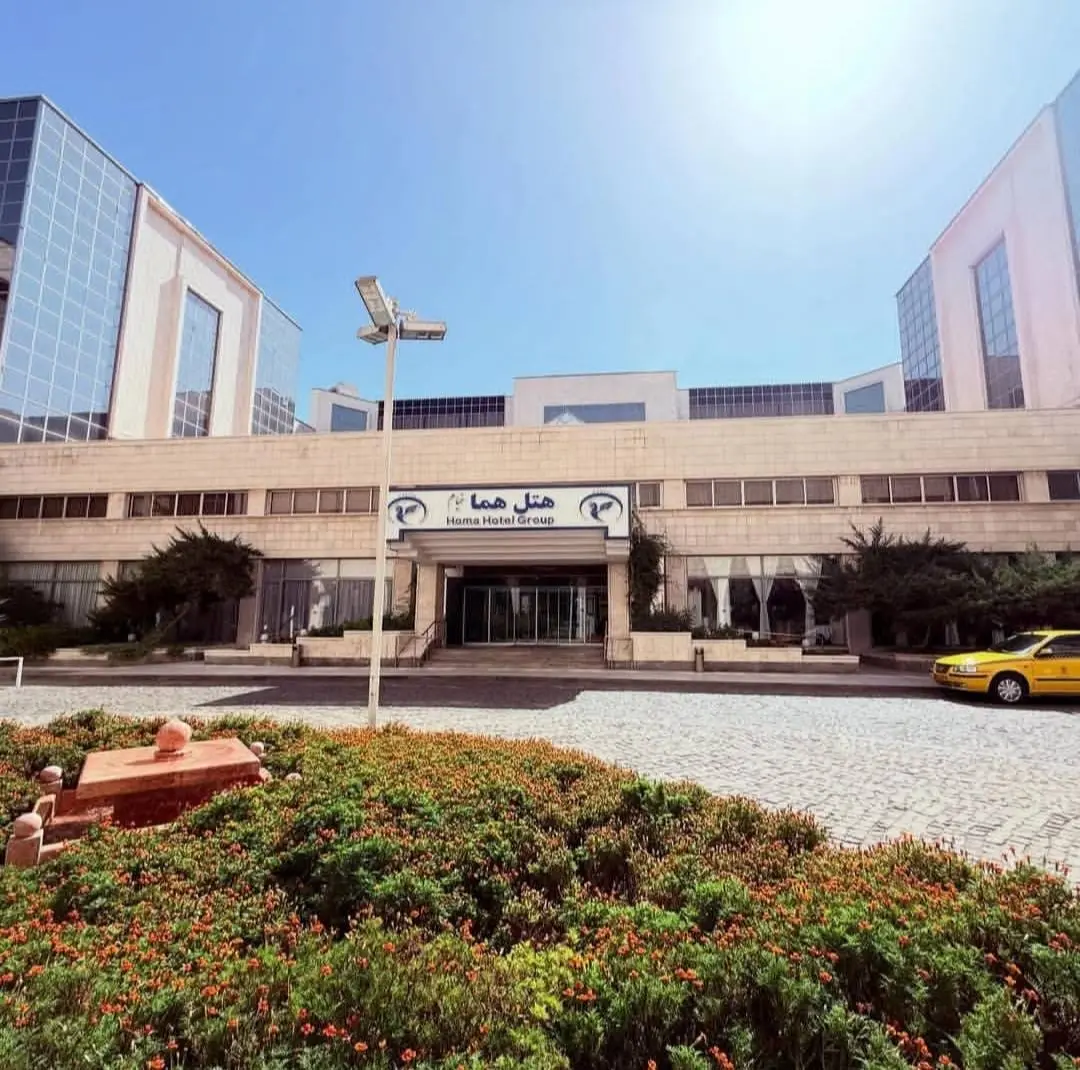
Homa Khayyam, meanwhile, occupies a different location in Mashhad and provides another part of the group's accommodation capacity in this important religious and tourist destination.
In Shiraz, the name Homa is connected to a city that is itself one of Iran's greatest cultural and historical narratives—a city where Hafez, Saadi, gardens, poetry and architecture continue to exist alongside contemporary life.
And in Bandar Abbas, Homa encounters the geography of southern Iran: the sea, commerce, business travel and the distinctive atmosphere that sets the south apart from every other part of the country.
For us, this geographical diversity is more than a commercial advantage. It is an opportunity for a hospitality brand to experience and present Iran through several different windows.
Homa Hospitality: Our Golden Manifesto
At first glance, hospitality may seem to be defined by rooms, beds, restaurants, halls and services. But its true essence lies elsewhere.
When a guest enters a hotel, they have not simply reserved a room. They have entrusted us with a portion of their life.
It may be only one night; it may be a week or longer. In either case, they expect to feel safe, respected, comfortable and confident during their stay.
That is why I believe the true quality of a hotel cannot be measured solely by its buildings and facilities. True quality is found in human behavior: in the smile of an employee, the attention to detail of a housekeeping team member, the sense of responsibility shown by the front desk, the quality of the food, and even in the way we respond to the simplest request from a guest.
Homa operates today on the strength of its people, whose experience and knowledge represent one of the group's most important assets. Preserving and developing this human capital is just as important to Homa's future as renewing its buildings and facilities.
Preserving Authenticity, Building the Future
For us, turning 54 is not simply an appropriate moment to look back. It is an opportunity to ask a more important question:
What should Homa become in the years ahead?
My answer is clear: Homa must remain rooted in its heritage while looking firmly toward the future.
Homa's hotels are part of the history of modern hospitality in Iran and the Middle East. Over the decades, they have witnessed profound social, economic and cultural changes.
But historic brands that only celebrate their past gradually risk becoming memories themselves.
Our responsibility is to preserve this heritage while, at the same time, aligning it with the present and future needs of Homa's guests.
Renewal, the use of technology, higher service standards, investment in human-resource development, environmental responsibility and the continued enhancement of the guest experience are all essential parts of the journey we must pursue with determination.
Homa Hotel: A City's Showcase
I also believe in something else: a hotel can be part of the cultural life of a city.
Around the world, hotels are not merely places where travelers sleep. They are places for meeting, conversation, events, exhibitions, music, food, art and the creation of connections between people.
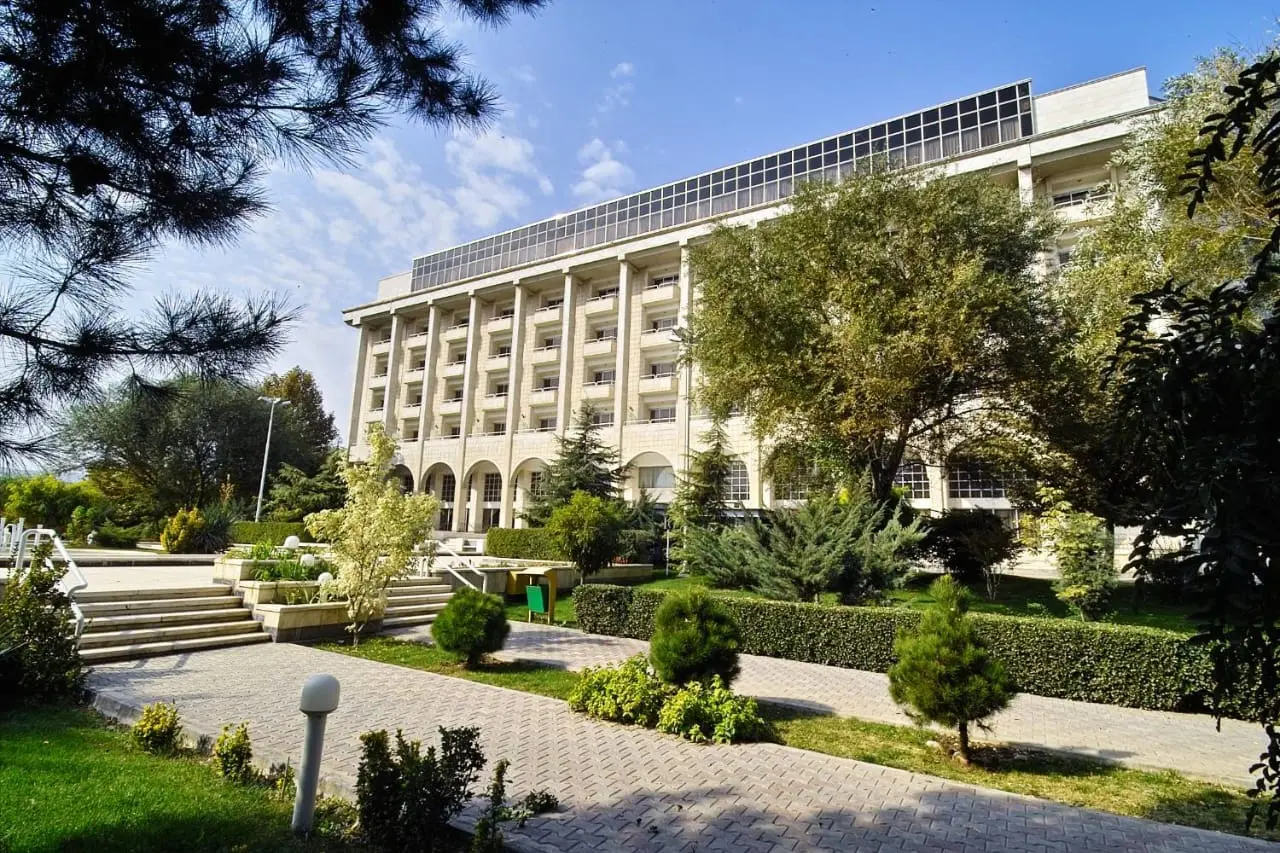
This perspective is particularly important to us at Homa.
Iran is a country in which culture and art are woven into the fabric of everyday life. It is therefore natural for an Iranian hotel to become a storyteller of that culture.
From architecture and interior design to cuisine, music, handicrafts, visual arts and cultural programming, there is enormous potential for Homa's hotels to become, more than ever, an integral part of the cultural experience of travel.
This, I believe, is precisely where hospitality and the arts—and, ultimately, the cultural economy—can meet.
Homa and an Asset Called Trust
Homa is wholly owned by the Social Security Organization and is part of its tourism portfolio, with its management and operations carried out through the Social Security Tourism Holding, HEGTA.
This structure places an important responsibility upon us: to preserve and increase the value of the asset entrusted to us.
Yet the value of a hospitality group cannot be measured only through its buildings and physical assets.
Part of Homa's value lies in its name.
The trust of a guest who chooses a Homa hotel again after many years is an asset.
The memory of a family that remembers a journey through Homa is an asset.
The employee who has cared for a Homa hotel for years and passes that experience on to the next generation is an asset.
And even the image of Iran that an international traveler takes home with them is part of our responsibility.
54 Years Have Passed; The Road Ahead Has Just Begun
When I look at Homa's 54 years of activity today, I feel a greater sense of responsibility than pride in the past.
We have inherited a legacy that we must make better and stronger before passing it on to the next generation.
Our goal is not merely to operate five hotels. We seek to manage an international hospitality brand in a way that understands its past, responds to the needs of today and remains prepared for the future.
For me, Homa is ultimately more than the name of a prestigious brand or a collection of beautiful buildings.
Homa is a promise—a promise between us and our guests.
A promise that says: when you enter one of Homa's hotels, you should feel that you have made the right choice.
Fifty-four years have passed since this journey began.
But if there is one thing these years have taught us, it is that in hospitality, every morning is a new beginning.
Every new guest represents a new act of trust.
And every new act of trust is an opportunity for Homa to once again bring the meaning of hospitality to life.