|


-
Kiarash Yaghoubi and the Work Selected at the Fujairah Calligraphy Prize
Kiarash Yaghoubi and the Work Selected at the Fujairah Calligraphy Prize.
-
Analysis by Seyedmohammad Omrany Art Basel Doha: A New Turning Point in the Middle East Art Economy
Analysis by Seyedmohammad Omrany Art Basel Doha: A New Turning Point in the Middle East Art Economy.
-
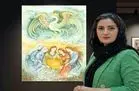
Sanaz Zolfaghari with a Tribute to the Homeland in the Raha Gallery Middle East Collection / Video
This miniature painting is a distinguished example of a thoughtful synthesis between the tradition of Iranian miniature painting and contemporary sensibilities and interpretations. The work neither remains confined to a mere imitation of the past nor becomes detached from its cultural and identity-based roots; rather, through a redefinition of visual language, meaning, and form, it achieves a narrative that belongs firmly to the present.
-
Hamidreza Shafiei and the Distinctive Women in the Paintings of Afshin Pirhashemi at Boom Gallery, Tehran
Afshin Pirhashemi is a singular figure in the Middle Eastern art scene. For three consecutive years, he was listed among the world’s 500 most expensive artists by the Paris-based institutions Artprice and FIAC. At the same time, the conceptual core of his painting reflects an unprecedented narrative of the Middle East—most notably through his powerful and unconventional depictions of Middle Eastern women.
-
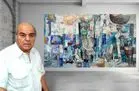
Omar El-Nagdi and the Femininity of Civilization in the Raha Gallery Collection
Omar El-Nagdi’s painting La Pharaonne forms a bridge between Pharaonic mythology, contemporary reality, and the shared global concerns of humanity. One of the most compelling ironies in this master painter’s approach is his deliberate choice of the title La Pharaonne—“The Pharaoh’s Lady”—instead of the Pharaoh himself. This choice offers a subtle yet pointed critique of the patriarchal narratives of official history, while foregrounding the fundamental role of women in the continuity of civilization and identity.
-
-
New Oil? An Analysis of the Art Economy in the Middle East by Seyedmohammad Omrany
Over the past decade, the economy of visual arts in the Middle East has shifted from a marginal and largely symbolic sphere to a significant component of the region’s cultural equations, investment strategies, and even soft-power diplomacy.
-
-
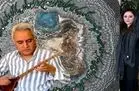
Music and Song by Mohammadreza Ebrahimi for Bita Vakili’s Painting Iran, the Endless Poem in the Raha Gallery Collection / Video
Mohammadreza Ebrahimi, the well-known musician, has composed an original piece of music for Iran, the Endless Poem by Bita Vakili, an artwork held in the Raha Gallery Collection. In addition, Ebrahimi has written a song specifically for this painting and has personally performed it.
-