

Zohreh Mehraban: The Middle East Needs Professional Art Market Makers
The Founder and Director of MAAD Gallery on the Historical Lessons of the Global Art Market and the Need to Build a Sustainable Ecosystem in the Middle East.
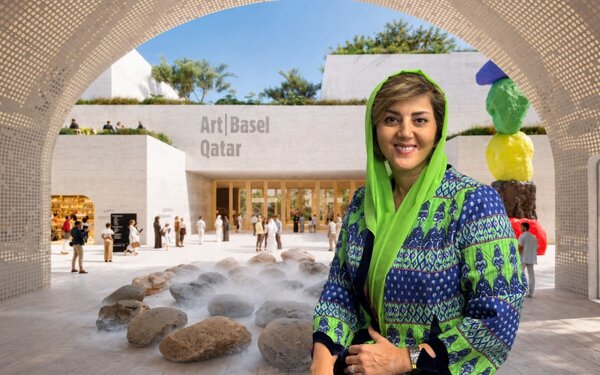
IranArt : The future of the Middle Eastern art market cannot be measured solely by the number of exhibitions, auction turnover, the arrival of new collectors, or the expansion of museums. The fundamental question is: who can establish lasting connections between artistic talent, capital, cultural credibility, and market demand?
The history of art demonstrates that major art markets require more than outstanding artists. They also depend on influential figures who can cultivate audiences for art, build trust, establish the recognition and value of artworks, and support artists in developing their careers over the long term.
Zohreh Mehraban, Founder and Director of MAAD Gallery, believes that the Middle East needs professional art market makers more than ever to move beyond fragmented growth and establish a more influential position in the global art market. These are individuals who understand art not merely as a commodity to be bought and sold, but as a field shaped by knowledge, credibility, capital, relationships, and cultural responsibility.
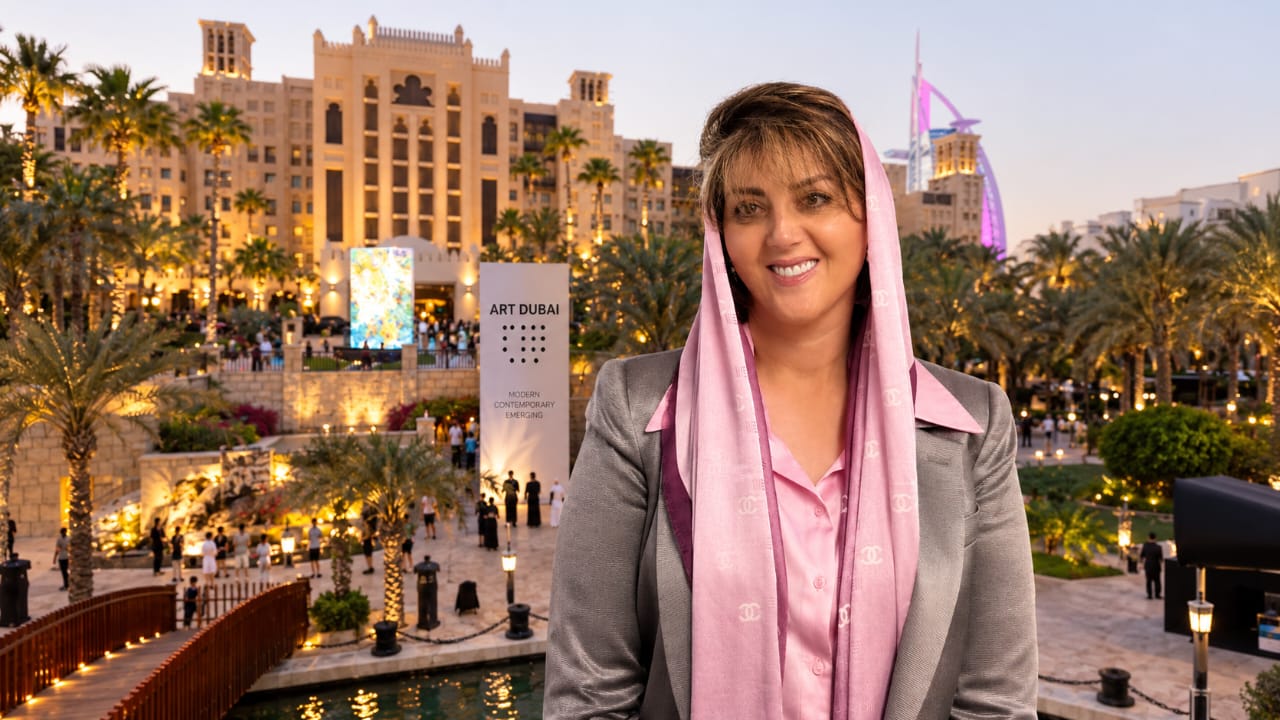
The Art Market Maker: Beyond the Dealer and Intermediary
The history of the global art market offers clear examples of how market makers have influenced the destinies of artists and artistic movements, with their impact extending from the beginning of the twentieth century to the present day. From Paul Durand-Ruel, who consistently supported the Impressionists, and Ambroise Vollard, who discovered and introduced new artists and movements, to Daniel-Henry Kahnweiler, who championed Cubism, and Leo Castelli, who developed an international network for contemporary art, the list continues with more recent influential figures such as Charles Saatchi and Larry Gagosian. And how inspiring it is that Mr. Saatchi, originally from Baghdad, at the heart of the Middle East, went on to establish himself on the international contemporary art scene. These well-documented examples demonstrate that building a market requires activities extending far beyond the sale of an individual artwork.
These figures did not simply wait for the market to determine which artists mattered. They actively participated in shaping taste, cultivating relationships with collectors, introducing artistic movements, and establishing professional credibility. Although each operated within a different historical and economic context, their experiences offer a common lesson: the art market grows when informed and committed players take a strategic approach to its future.
Reflecting on the significance of this historical experience, Zohreh Mehraban says: “Professional art market building means establishing a long-term relationship between the artist, the artwork, the collector, and the market. Selling an artwork may represent a momentary success, but building an artist’s reputation and fostering lasting trust among market participants is a time-consuming process that requires knowledge and planning.”
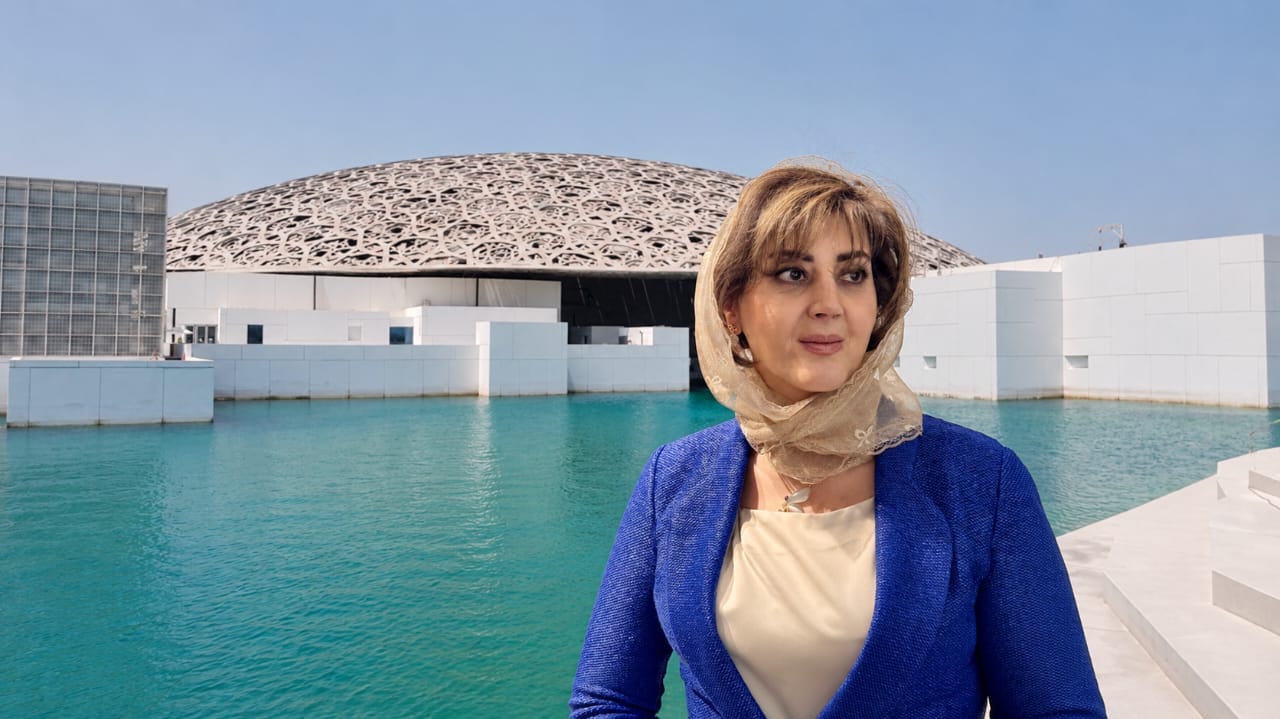
The Middle East: A Great Opportunity, an Even Greater Responsibility
Several countries across the region have created new opportunities for the development of the art market by expanding cultural infrastructure, hosting international events, establishing and developing museums, and attracting collectors. Doha, Dubai, Abu Dhabi, Jeddah, Tehran, Riyadh, and AlUla, among other cities, can all play a role in developing a broader network of regional and international artistic connections.
However, from the perspective of the Director of MAAD Gallery, infrastructure and capital alone do not guarantee the emergence of a mature market. A professional art market requires an interconnected network of galleries, artists, art advisers, collectors, auction houses, museums, researchers, and specialist media. Within this network, every participant must understand their role and contribute to the development of other sectors.
Zohreh Mehraban adds: “The Middle East should not become merely a destination for purchasing artworks or hosting high-profile events. The region must also develop the capacity to discover and introduce artists, build reputable collections, produce art knowledge, and participate in shaping the global narrative of art.”
Achieving this goal requires regional art centres to move beyond competing solely to attract audiences and capital. Exhibition partnerships, collection exchanges, the mutual promotion of artists, and the development of relationships among collectors from different countries can help establish a more integrated regional market. In such a market, Dubai and Abu Dhabi, Doha, Riyadh, and Tehran would no longer function as separate islands, but as interconnected centres within a network of professional opportunities and collaboration.
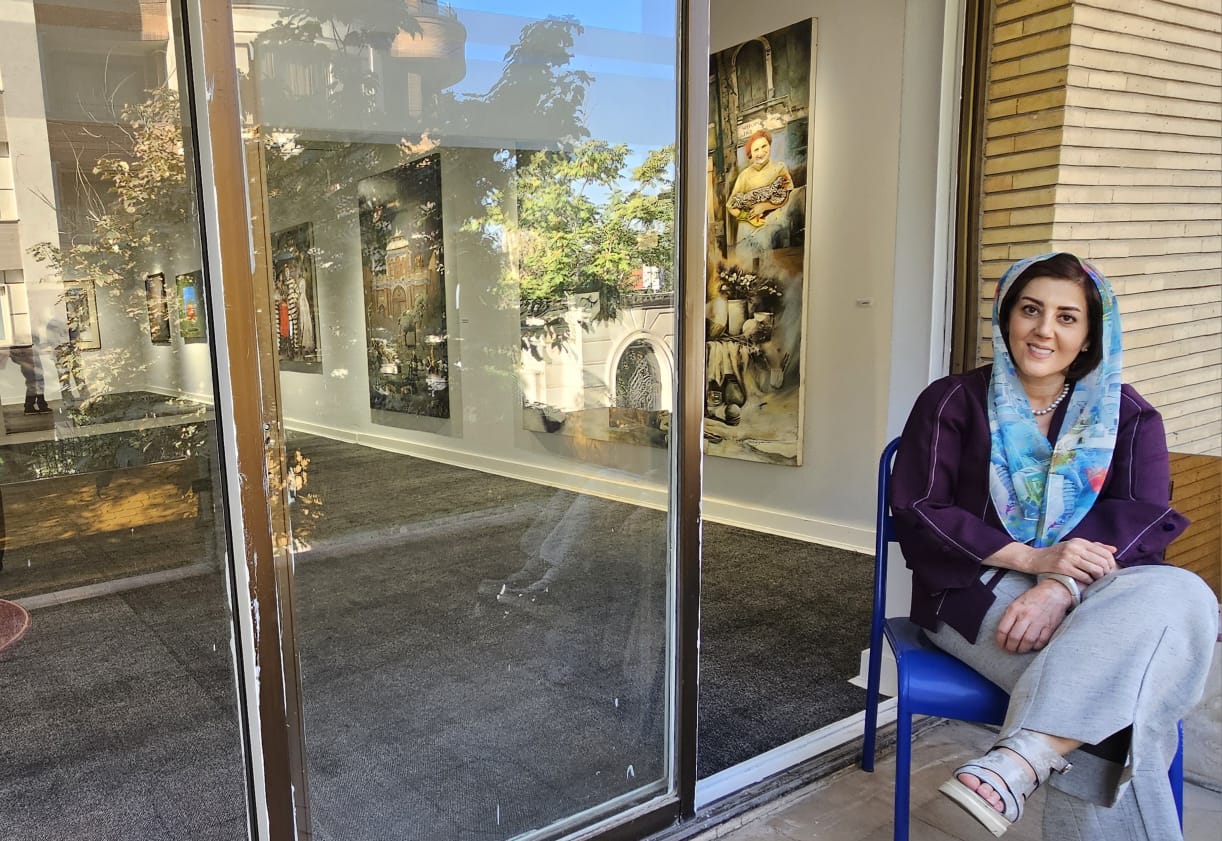
Trust: The Invisible Infrastructure of the Art Market
One of the most important lessons from the history of the art market is the role of trust in establishing lasting value. Trust does not emerge solely from a gallery’s reputation or an auction house’s name. It is built through a range of professional practices, from understanding artworks and artists to maintaining records, documenting provenance, verifying authenticity, ensuring transaction transparency, and sustaining relationships with collectors.
According to Zohreh Mehraban, as the Middle Eastern art market expands, strengthening this underlying infrastructure becomes increasingly important. Collectors must have access to reliable information about an artwork’s provenance, ownership history, exhibition record, and supporting documentation. Artists, in turn, need systems that record their professional trajectories and make it possible to assess their work within its historical and artistic context.
The Director of MAAD Gallery emphasises that professional market building should not be confused with artificially inflating prices or generating short-lived excitement. Sustainable value emerges when an artist’s reputation, the quality of the work, professional track records, and buyers’ confidence are strengthened over time. In such a market, the interests of artists and collectors do not necessarily stand in opposition; instead, they can align within a professional, long-term relationship.
Artists, Collectors, and the Market: Three Pillars of a Sustainable Relationship
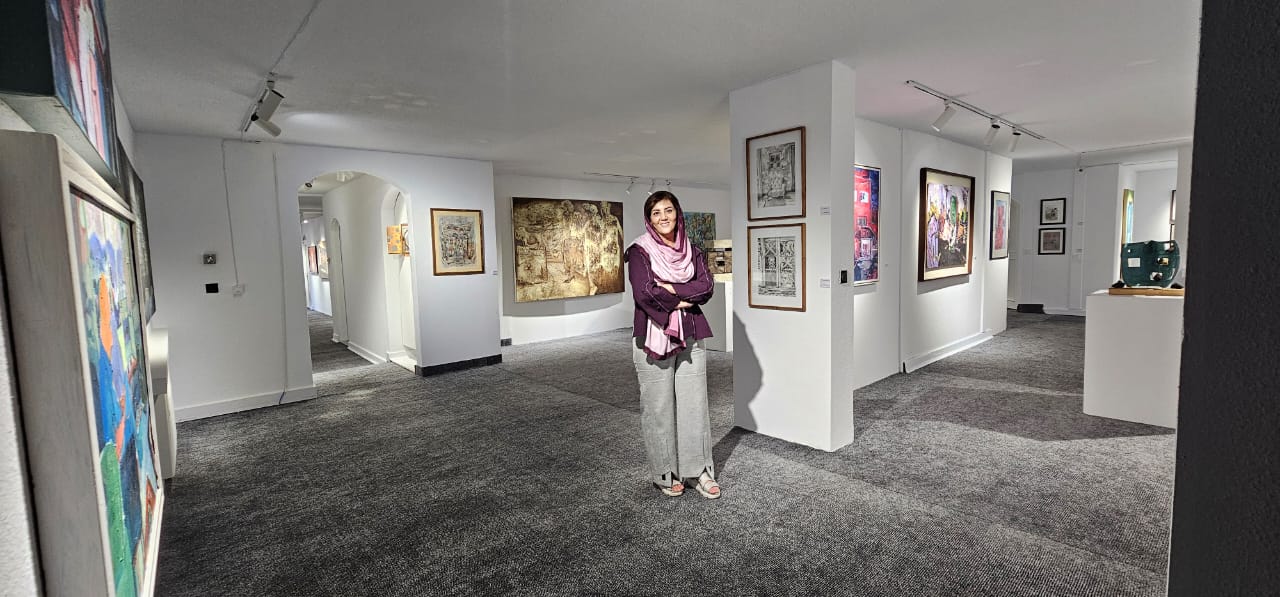
A professional art market maker must be able to connect the differing needs of artists and collectors. Artists need exhibition opportunities, thoughtful and accurate presentation, access to new audiences, and the means to sustain their practice. Collectors, meanwhile, value knowledge, reliable information, confidence in authenticity, and a clear perspective to guide their choices.
These relationships cannot mature through occasional sales alone. Exhibition planning, strategic media positioning, research-based content, catalogue publication, the creation of documented records for artworks, and the introduction of artists to professional networks can all contribute to building more enduring relationships.
Drawing on her experience of directing MAAD Gallery, Zohreh Mehraban emphasises the importance of this connection: “The art market can achieve genuine growth when artists are not visible only during exhibitions and relationships with collectors are not limited to individual transactions. Consistent presentation, knowledge, and trust are what make a sustained professional trajectory possible.”
In the Middle East, this approach can be particularly important for emerging artists and artistic movements that have yet to gain sufficient recognition in the international market.
An art market maker must be able to connect artistic potential with economic opportunity without reducing an artist’s value to the selling price of a single work.
From National Markets to a Regional Ecosystem
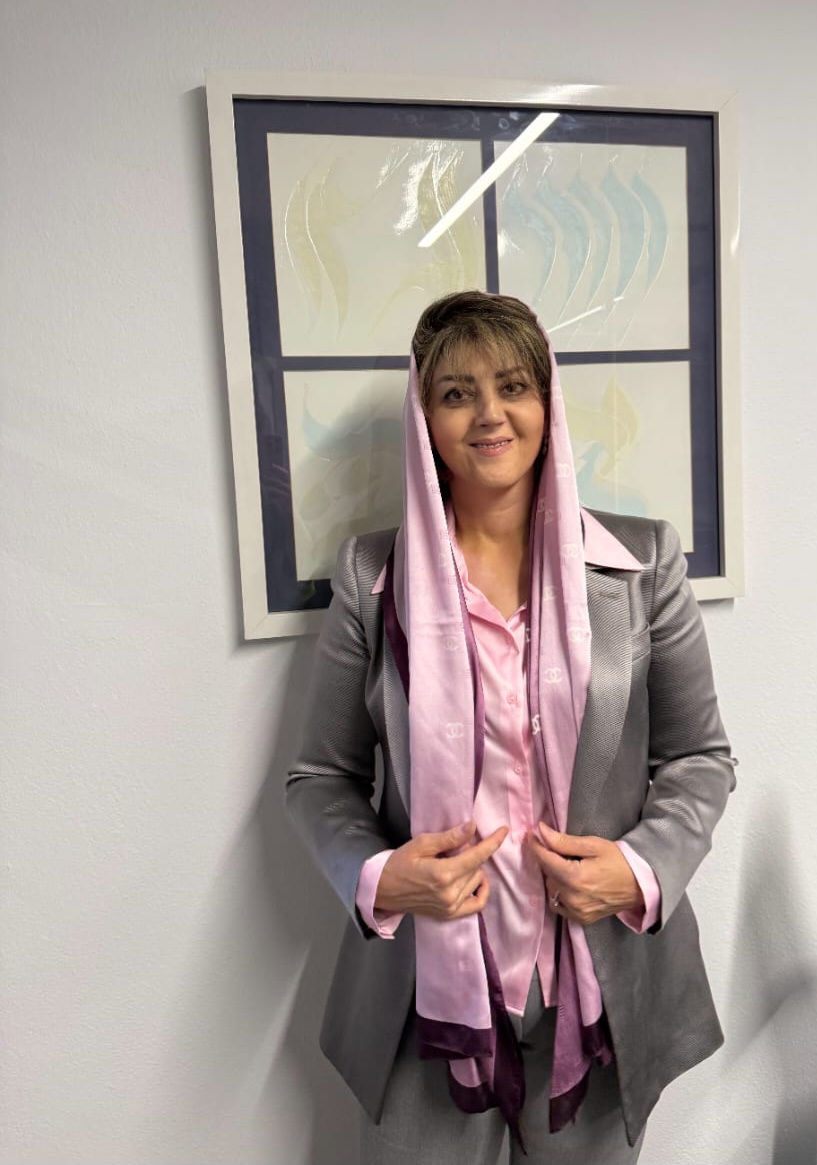
One of the key priorities for the future of art in the Middle East is to connect national markets with international opportunities. This objective cannot be achieved merely by participating in art fairs or selling artworks to foreign collectors. It requires familiarity with professional standards, sustained relationships, thorough documentation, multilingual content, and the ability to present the region’s art within the context of global dialogue.
According to Zohreh Mehraban, specialist media, researchers, and cultural institutions also play a decisive role in this process. Without reliable information, professional criticism, and a documented record of artistic activity, the art market loses part of its collective memory. Documenting exhibitions, introducing artistic movements, and recording artists’ professional histories can strengthen both cultural heritage and market awareness and trust.
Within this broader vision, MAAD Gallery can be understood as part of an expanding network of interaction among artists, collectors, and cultural institutions. The objective of such a network is not simply to present artworks for sale, but to deepen understanding and establish lasting professional connections.
Zohreh Mehraban: The Market Must Be Built, Not Left to Emerge on Its Own
The experience of the great market makers in art history demonstrates that influential markets are the product of informed decisions, professional relationships, and sustained investment in artists’ reputations. These lessons are relevant to the Middle East as well, provided that historical insights are adapted to the region’s cultural, economic, and social characteristics.
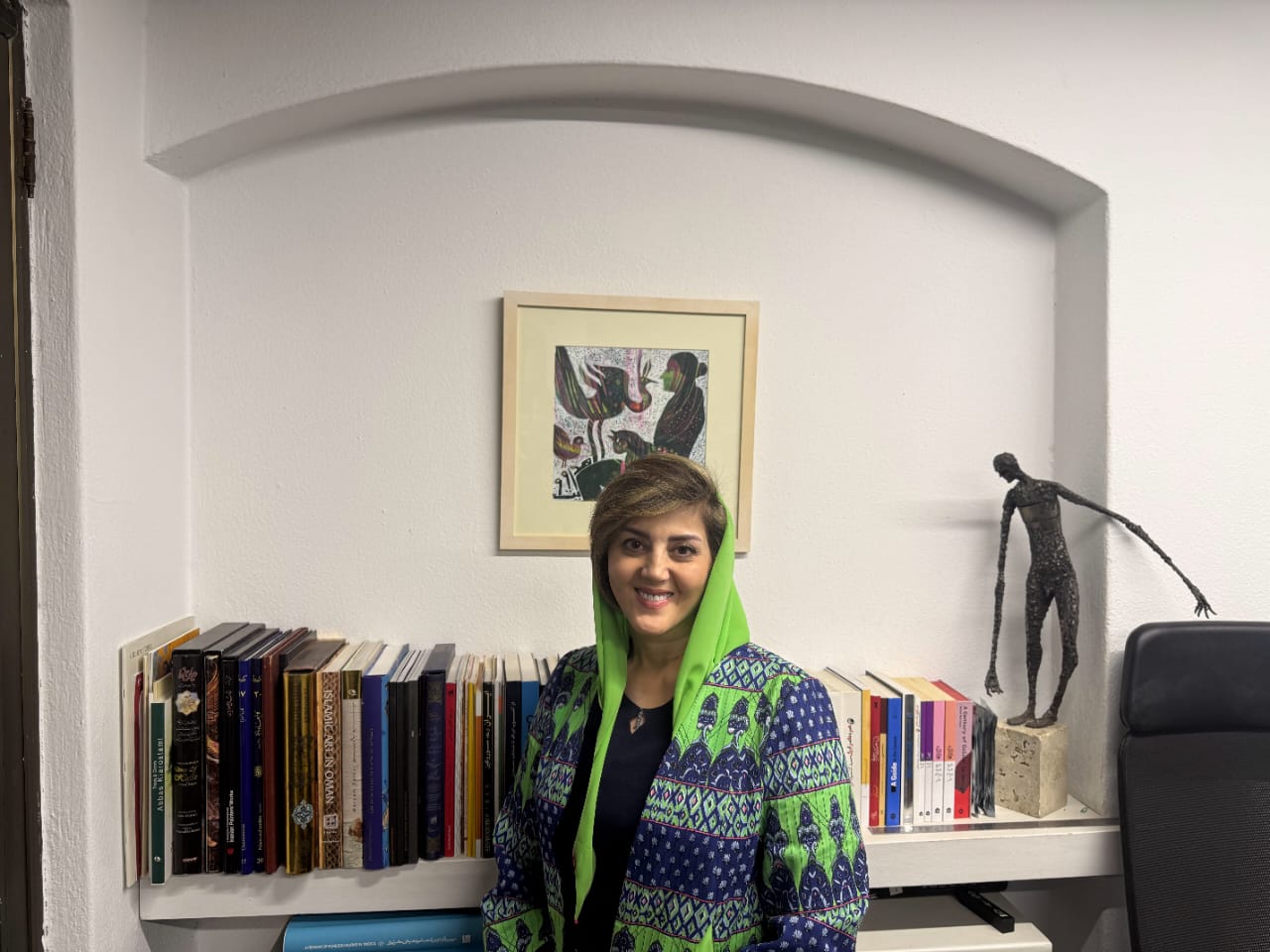
Zohreh Mehraban, Founder and Director of MAAD Gallery, believes that the future of art in the Middle East depends on the ability of its stakeholders to build a professional ecosystem. In this ecosystem, artists must have opportunities to develop, collectors must be able to make informed decisions with confidence, galleries must be able to pursue long-term strategies, and cultural institutions and the media must contribute to documenting and advancing this process.
Under these conditions, the success of the art market would be measured not only by transaction figures, but also by the number of artists who establish sustainable professional careers, the collections that become trusted cultural resources, and the relationships that endure beyond a single exhibition or sales season.
For Middle Eastern art to secure a lasting position in the global market, it needs market makers capable of building connections between capital and culture, artists and collectors, and local potential and international networks.
This is the lesson that the history of the art market offers the region: a major art market is not simply a place where artworks are traded. It is a structure that must be built through knowledge, trust, and a clear vision for the future.