

IranArt Report from Basel Paris 2026 / Kimia Nakhaei Reports
Art Basel Paris 2026: A Reflection of the Global Contemporary Art Scene and the Absence of Iranian Galleries
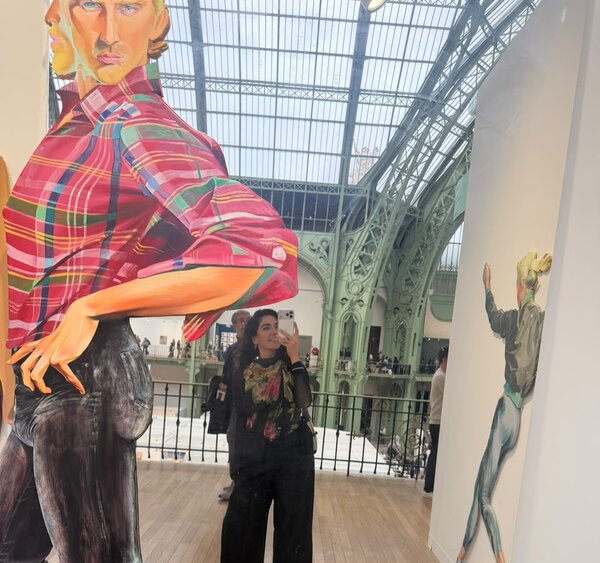
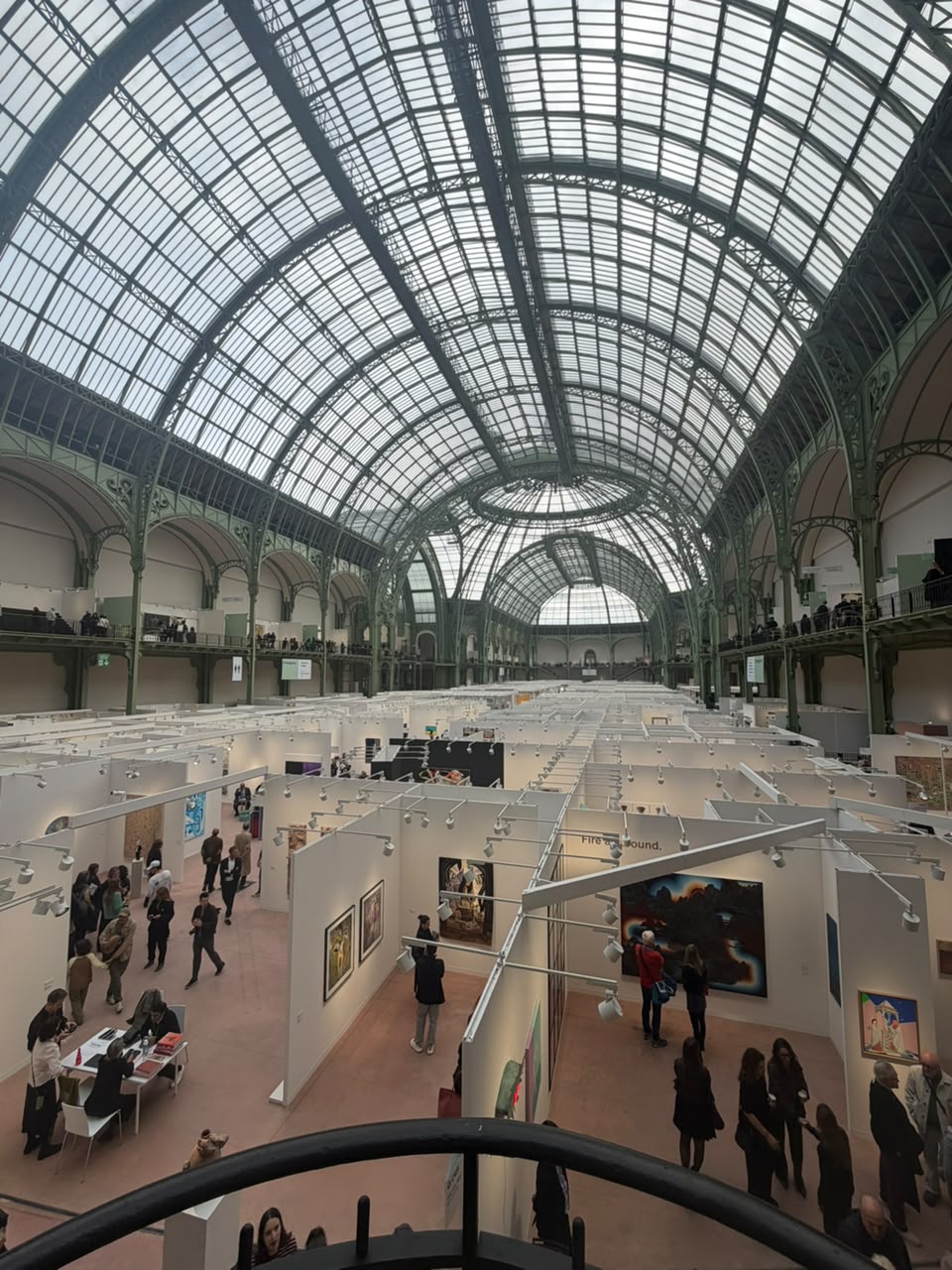
IranArt : Kimia Nakhaei : The fifth edition of Art Basel Paris took place at the Grand Palais from 23 to 25 October 2026, bringing together 211 galleries from 41 countries and territories. In recent years, the event has become one of the most important meeting points for the global art market, international galleries and cultural institutions. This year's edition marked the first under the direction of Karim Crippa and aimed to further strengthen Paris's position in international artistic and cultural exchange.
The fifth edition of Art Basel Paris once again demonstrated that major international art fairs have evolved beyond spaces dedicated exclusively to the presentation and sale of artworks. They have become platforms for professional networking, the introduction of artistic movements and the development of new directions in contemporary art.
_The Fair's Structure and the Participation of International Galleries
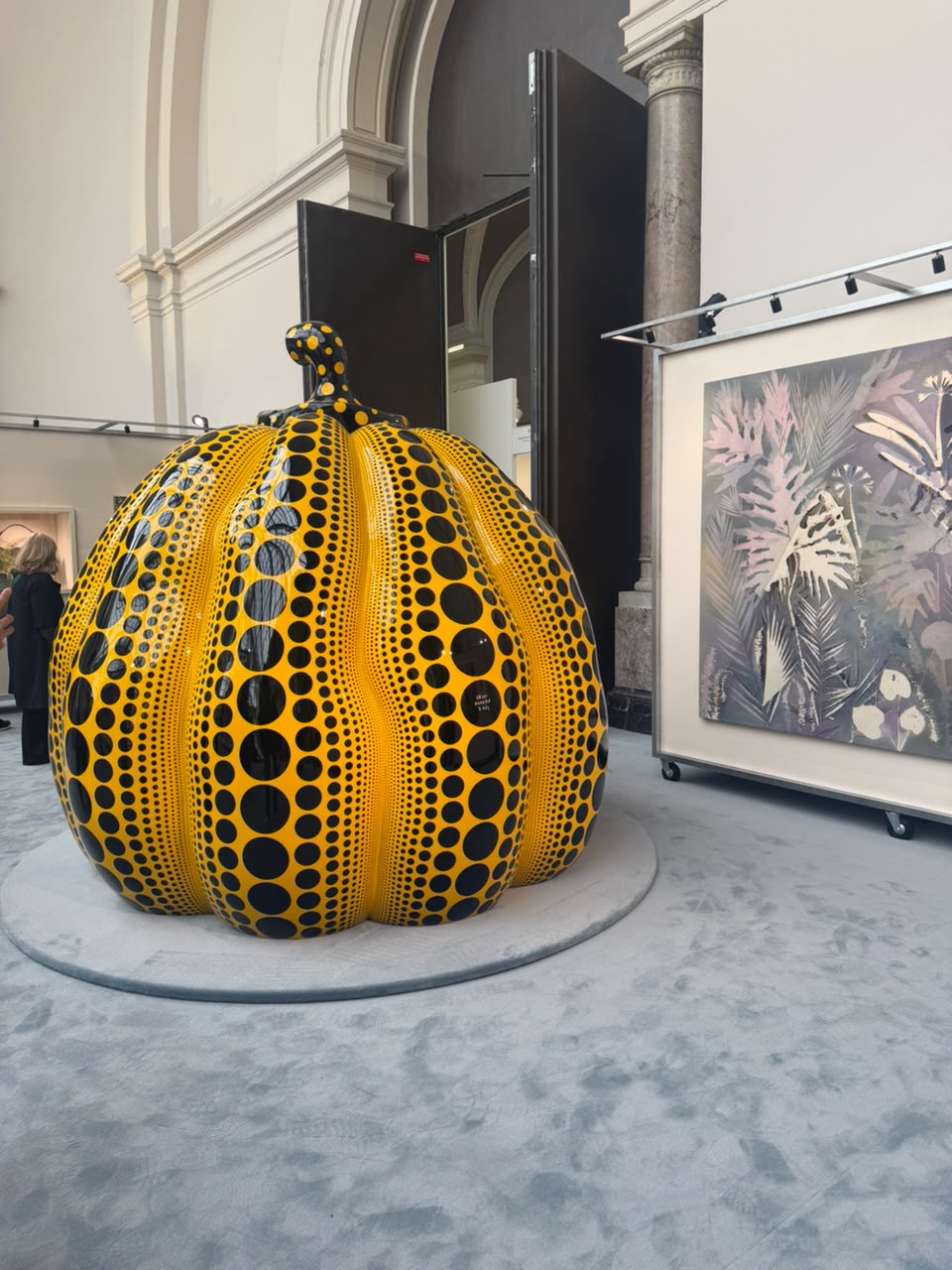
This year's programme was organised around three main sectors: Galeries, dedicated to presentations by established galleries; Emergence, focusing on emerging galleries and artists; and Premise, which presented research-driven and historically oriented curatorial projects.
The participation of nearly 30 first-time exhibitors reflected the organisers' efforts to expand the fair's international reach and introduce new voices to the global art scene.
Alongside the exhibition sectors, Art Basel's Public Programme was developed in collaboration with cultural institutions across Paris. The programme sought to strengthen the relationship between the commercial art fair, the urban environment and independent cultural activities.
_ The Presence of Middle Eastern Art at Art Basel Paris
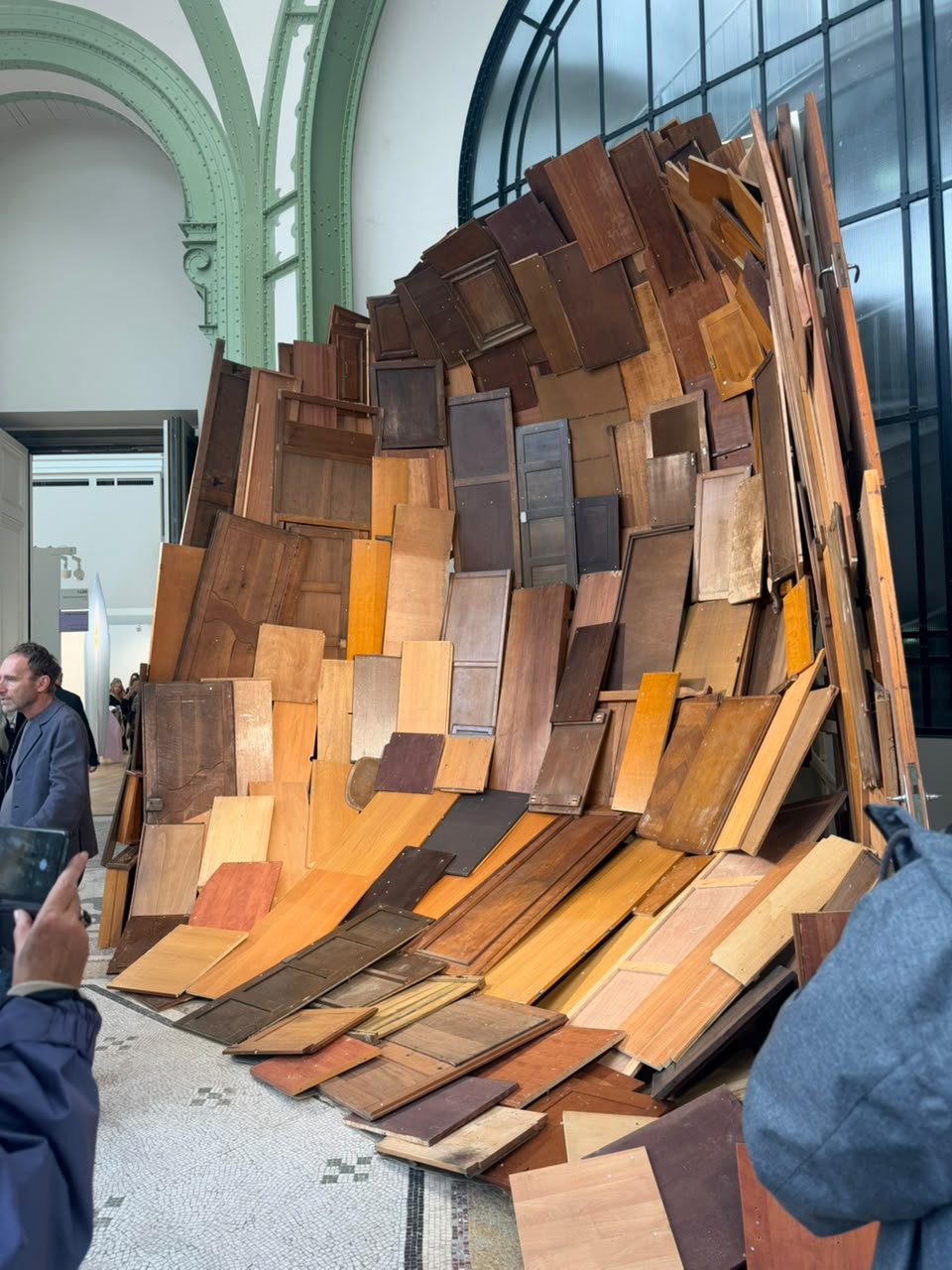
One of the notable aspects of this edition was the participation of galleries from the Middle East and North Africa. Galleries connected to cities such as Beirut, Dubai, Jeddah and Tunis participated in the event, introducing international audiences to the diverse potential of contemporary art from the region.
Among the notable participants were galleries such as Athr Gallery from Saudi Arabia, Green Art Gallery from the United Arab Emirates, Sfeir-Semler Gallery, operating between Beirut and Hamburg, and Marfa' Projects from Beirut.
Their participation demonstrates that contemporary art from the Middle East is gaining increasing visibility within international exhibition platforms. Artists from the region are developing diverse visual languages through their engagement with subjects such as collective memory, identity, social transformation, architecture and history. These practices increasingly extend beyond geographical boundaries and contribute to wider international artistic conversations.
_ The Absence of Iranian Galleries: An Issue Beyond a Single Art Fair
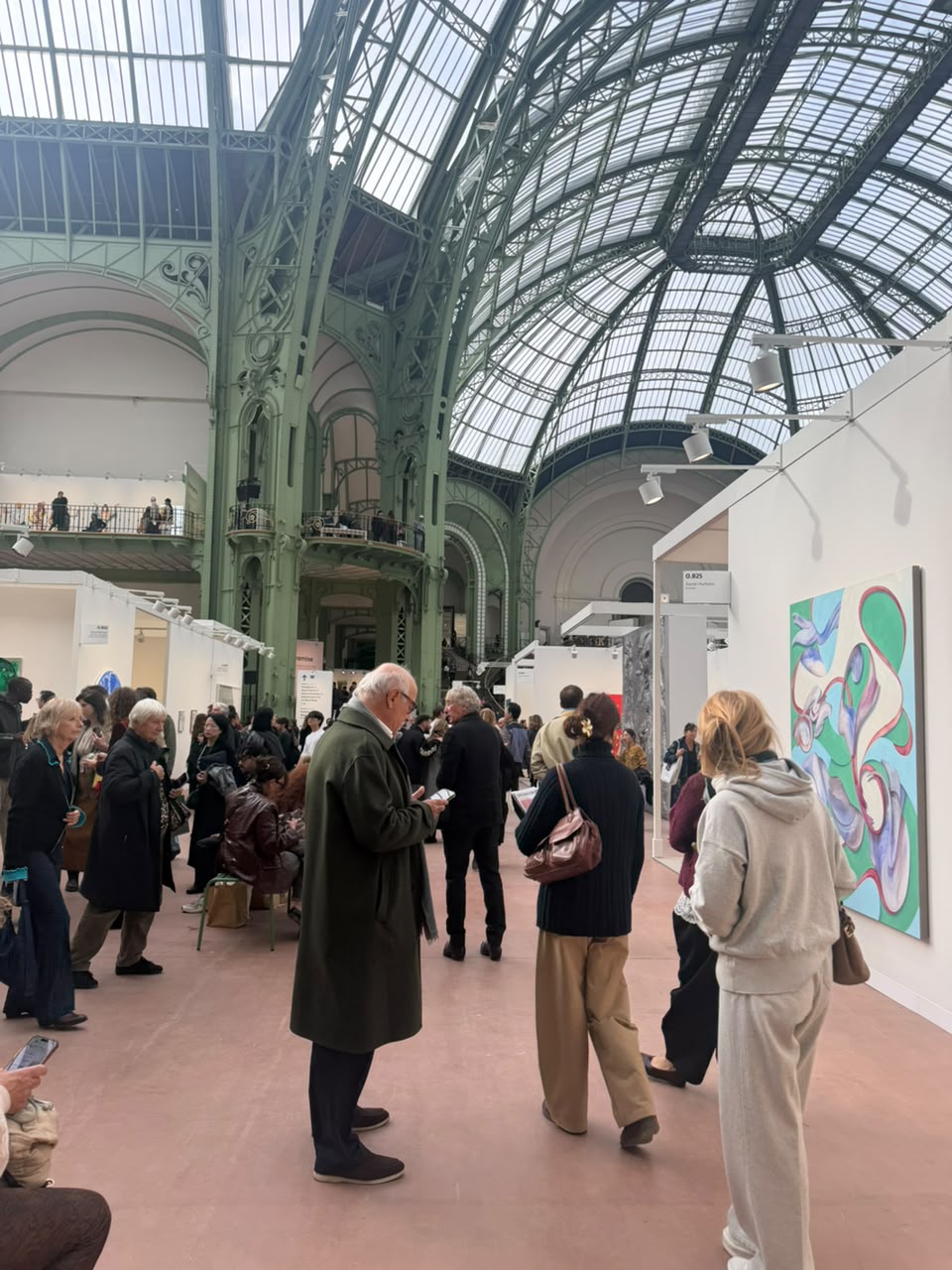
Amid this regional participation, the absence of galleries based in Iran from the official exhibitor list of Art Basel Paris 2026 is particularly noteworthy.
Iran has a rich history of modern and contemporary art. Over recent decades, Iranian artists, both inside the country and across the diaspora, have participated in important international exhibitions and artistic events. However, the international presence of individual Iranian artists does not necessarily translate into a sustainable and structured presence for Iranian galleries at major international art fairs.
Economic restrictions, difficulties involving international financial transactions, challenges related to the transportation and insurance of artworks, and the complexities of international commercial relations are among the factors that can make participation in major international events difficult for galleries operating in Iran.
This situation raises an important question: how can Iran's artistic potential be translated into a more effective presence within international art structures?
The answer cannot be reduced to the occasional participation of a gallery in a prestigious art fair. Establishing lasting professional relationships between galleries, museums, curators, collectors and international cultural institutions is one of the essential conditions for strengthening the position of Iranian art globally.
_ Art, the Market and the Question of Value
Art Basel Paris also provides an opportunity to examine the relationship between artistic and economic value. Such events bring together collectors, gallery owners and cultural institutions alongside artists and critics, creating a network of professional and economic relationships that can influence the visibility and international recognition of artworks and artists.
Nevertheless, the value of an artwork cannot be measured solely through its sales price or its position in the market. Many significant contemporary artistic movements develop within independent environments and outside commercial structures.
This distinction is particularly important for Iranian art, as a considerable part of the country's artistic production involves research-based, experimental and critical approaches that cannot necessarily be evaluated within the commercial logic of major international art fairs.
_ The Early Closure of the Fair
One of the unexpected developments of this edition was the announcement of the fair's early closure. On 22 October, organisers announced that Art Basel Paris would close at 7 p.m. on Friday, 23 October, due to security concerns and the possibility of demonstrations and unrest in the city. The original closing date had been scheduled for 25 October.
The decision prompted reactions among gallery owners and art market professionals. Given the substantial costs associated with participation in international art fairs, the loss of the final days of the event and the resulting reduction in sales opportunities were among the concerns, particularly for smaller galleries.
The incident once again demonstrated that even the largest cultural events cannot remain independent of the social and political circumstances surrounding them.
_ Art Basel Paris 2026
Art Basel Paris 2026 offered a reflection of the current state of cultural and economic relations within the contemporary art world, alongside its presentation of the global art market's potential. The participation of galleries from the Middle East alongside leading international exhibitors demonstrated the expanding geographical reach of the art market. However, the absence of galleries based in Iran remains an issue worthy of further examination.
The central challenge for Iranian art is not simply securing opportunities to participate in prestigious exhibitions, but developing the professional infrastructure and sustainable relationships necessary for meaningful engagement with the international art scene.
Iran's artistic potential, in order to establish a lasting presence globally, requires greater opportunities for international introduction, exchange and collaboration.