

Seyedmohammad Omrany: Artworks Are Not Consumer Goods; They Are Enduring Assets with High Added Value
At a time when the world’s major economies are seeking new sources of wealth creation, art is no longer regarded merely as a decorative or cultural activity. It has become one of the most significant pillars of the creative economy.
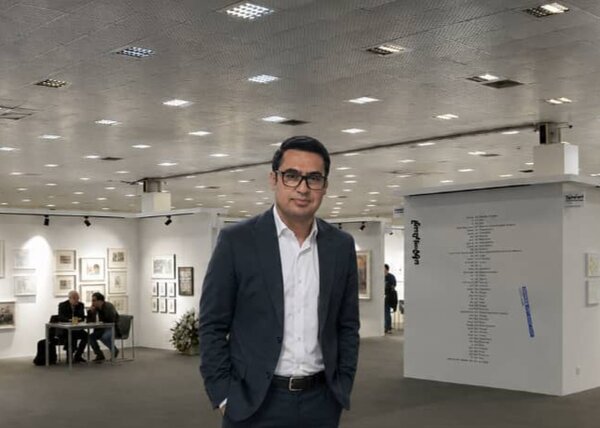
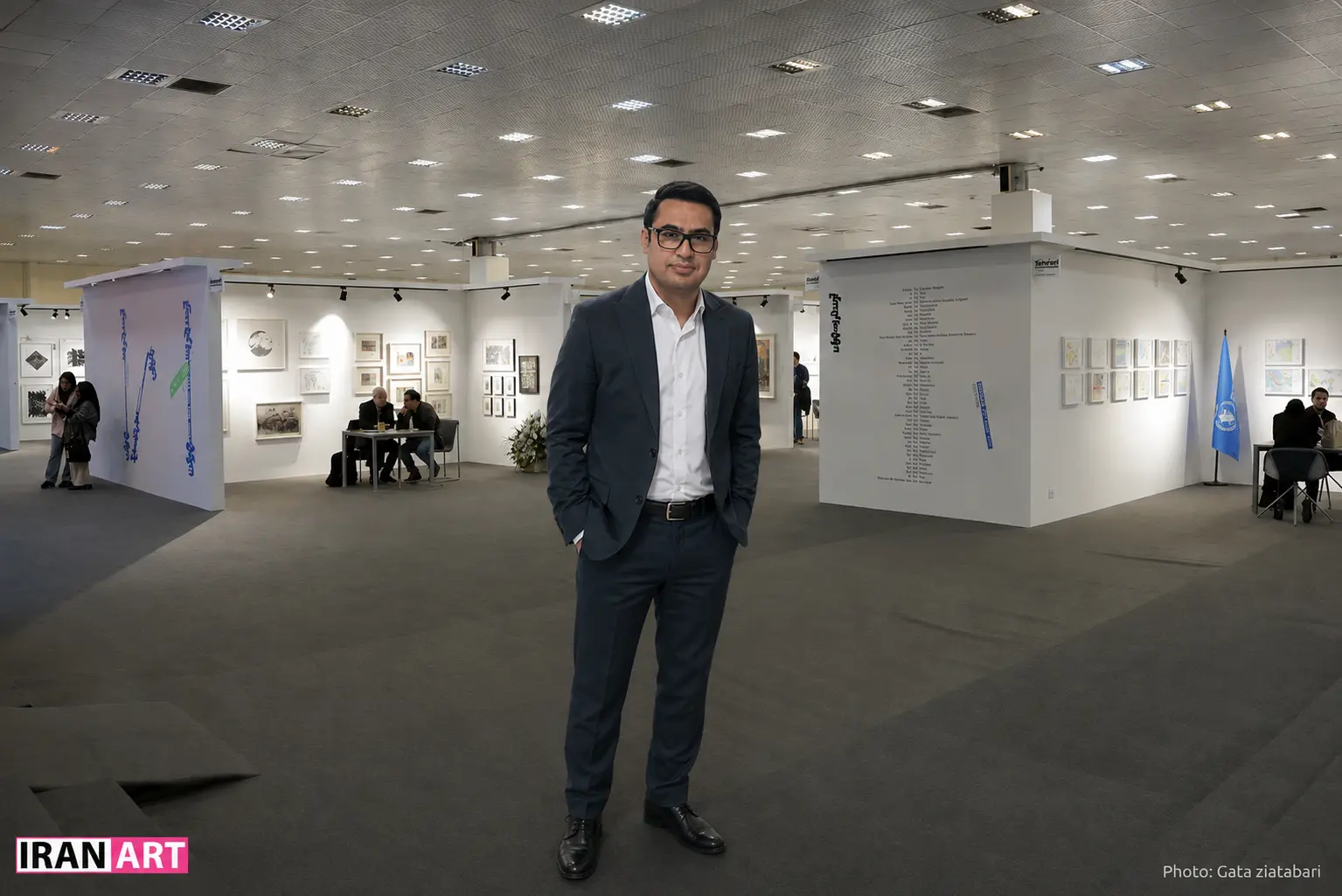
IranArt – Seyedmohammad Omrany, Art Economics Expert
Today, from China and Hong Kong to Europe and regional economic blocs, billions of dollars are being invested in artistic infrastructure, museums, international events, and the art market. These investments stem from a growing recognition that art is not an expense but a long-term asset capable of generating wealth, enhancing international prestige, and fostering cultural development.
A look at the Middle East reveals the emergence of a new regional competition. Countries that held only a marginal share of the global art market two decades ago have now become influential players in the field. The establishment of major museums, the attraction of renowned international art brands, the organization of art fairs and international auctions, and sustained investment in arts education all form part of these countries’ broader strategies for securing a place in the global creative economy. They understand well that ev
ery cultural tourist, every art collector, and every international art event can generate substantial foreign currency revenues and employment opportunities.
In such circumstances, the greatest losses are incurred by countries that place art at the top of their austerity measures. Whenever economic pressures intensify, culture and the arts are often the first sectors to face budget cuts or lose priority. This reflects a failure to recognize that art is not merely a consumer of resources but a producer of added value.
The art economy possesses a unique characteristic rarely found in other markets. Unlike consumer goods, many artworks not only retain their value but appreciate over time. Developed countries realized long ago that the supply of many artworks is inherently limited and irreplaceable, a factor that continually drives their value upward.
Another common mistake in many developing countries is that the value of artists is often recognized only after their passing. In contrast, professional art markets around the world have long invested in living artists. Through galleries, museums, exhibitions, and collectors, they create the conditions necessary for the growth and consolidation of artistic value. International experience has shown that supporting artists during their lifetimes not only enriches a society’s cultural landscape but also creates a sustainable economic cycle.
The experience of countries that have emerged as major players in the art economy in recent years demonstrates that success in this field depends on three essential elements:
Continuous investment;
Trust in the private sector; and
A long-term vision.
No art market in the world has been built within one or two years. Cultural and economic credibility requires consistency, perseverance, and patience.
Perhaps the time has come for the Middle East to reconsider its perception of art. If economic hardship necessitates spending cuts, they should not begin with a sector that can become part of the solution to future economic challenges.
Art is not merely a cultural commodity; it is a fundamental asset capable of creating jobs, generating foreign exchange earnings, enhancing a nation’s international image, and inspiring future generations toward creativity and innovation.
The countries that lead today’s art economy accepted years ago that investing in art is investing in the future. The question is: when will we take this reality seriously?