

Art Basel 2026: Where the Future of the Art Market Is Being Written /Report and Photos by Kimia Nakhaei
Art Basel 2026: Where the Future of the Art Market Is Being Written /Report and Photos by Kimia Nakhaei
IranArt – Kimia Nakhaei | Basel, Switzerland
Every June, the quiet Swiss city of Basel transforms into the capital of the global art economy—a place where major collectors, museum directors, art advisors, gallerists, and investors from around the world gather to take the pulse of the art market. Yet Art Basel 2026 is far more than an art fair. More than ever before, it offers a glimpse into the future of the creative economy, technology, and cultural investment.
This year's edition brings together 290 galleries from 43 countries, showcasing works by more than 4,000 artists—figures that once again confirm Art Basel’s position as the world's most influential gathering for the international art market.
_ Digital Art Moves from the Margins to the Mainstream
Perhaps the most significant development at Art Basel 2026 is the unprecedented attention being given to digital art and technology-driven artistic practices.
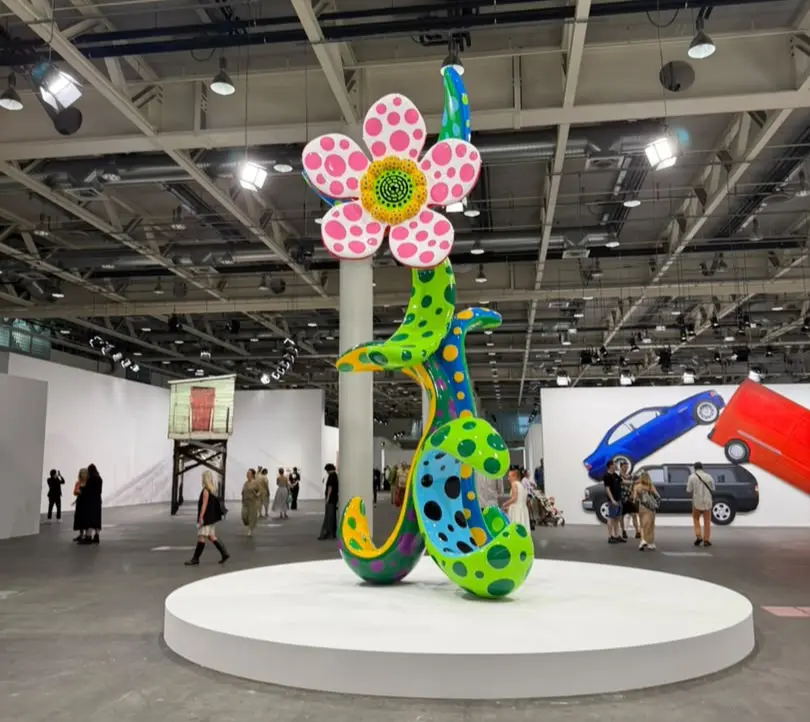
A new section titled “Zero 10”, dedicated to digital art, code-based works, new media, and artificial intelligence-related projects, has been introduced in Basel for the first time this year. The initiative signals that the global art market no longer views digital art as a temporary phenomenon or merely an extension of the NFT boom. Instead, it is increasingly recognized as one of the principal directions shaping the future of art.
What is unfolding in Basel today goes beyond the sale of a handful of digital works. It marks the emergence of a new generation of artists who are transforming programming languages, data, algorithmic imagery, and artificial intelligence into tools of artistic expression, much as painters once relied on canvas and pigment.
_Confidence Returns to the Market
After several turbulent years during which the art market was affected by global inflation, geopolitical conflicts, and economic uncertainty, this year’s Art Basel has shown clear signs of renewed confidence.
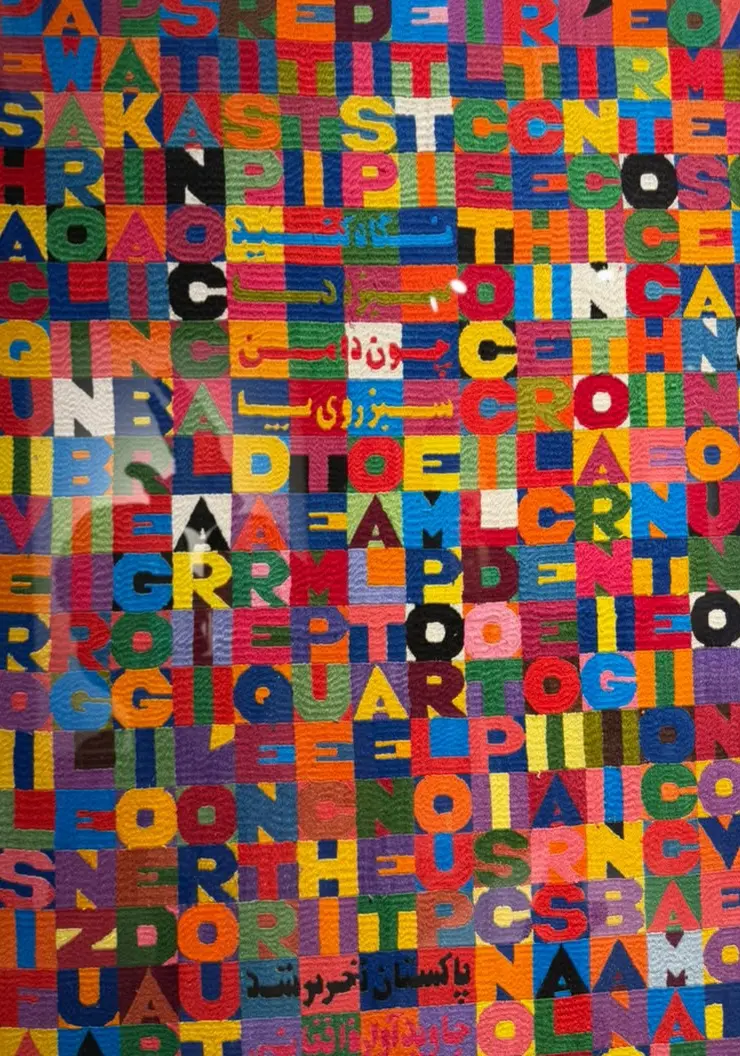
Early reports from collectors' preview days point to a number of multi-million-dollar transactions. The sale of significant works by Pablo Picasso and David Hockney during the opening days of the fair once again demonstrated that blue-chip artworks continue to be regarded as some of the safest cultural assets for global investors.
At the same time, unlike in previous decades, buyers are no longer focused solely on established names. Many collectors are actively seeking mid-career artists, conceptual projects, and technology-related works—a shift that could reshape the structure of the art market in the years ahead.
_ “Basel Exclusive”: The Economics of Scarcity
One of the most debated innovations of this year’s edition is the “Basel Exclusive” initiative, under which selected major works are kept hidden from public view—and even from many potential buyers—until the fair officially opens.
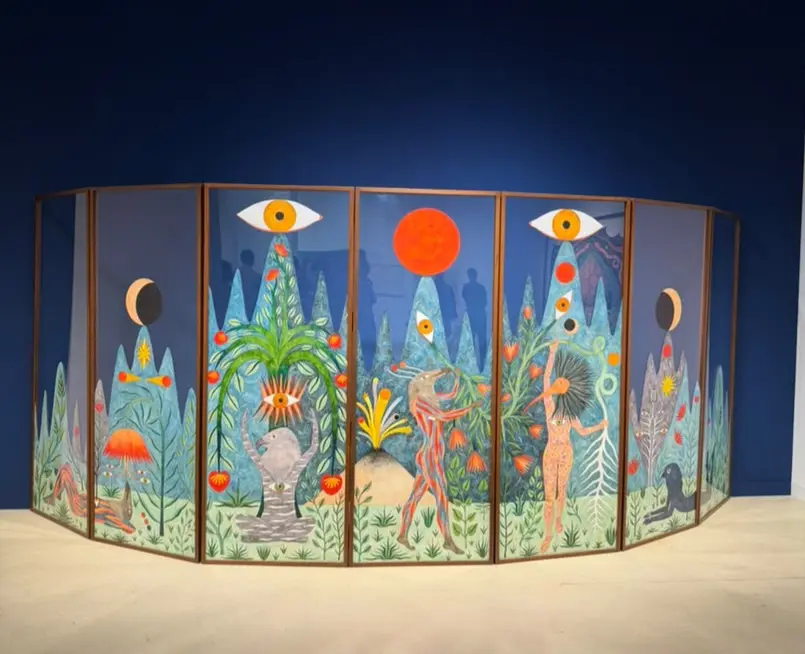
The approach reflects how the art economy is increasingly built around the concepts of scarcity and discovery. In an era when images of artworks can circulate across social media within seconds, the art market is striving to preserve the value of a first encounter with an artwork.
_ The Middle East: A Stronger Presence Than Ever
Another notable trend at Art Basel 2026 is the growing presence of Middle Eastern galleries and cultural players. Organizers have highlighted the participation and return of galleries from countries across the region, including Lebanon, Saudi Arabia, and Türkiye.
This development represents more than the arrival of a few new galleries. It points to a gradual shift in the center of gravity of cultural investment toward regions that have made substantial investments in the arts, museum development, and creative industries over the past decade.
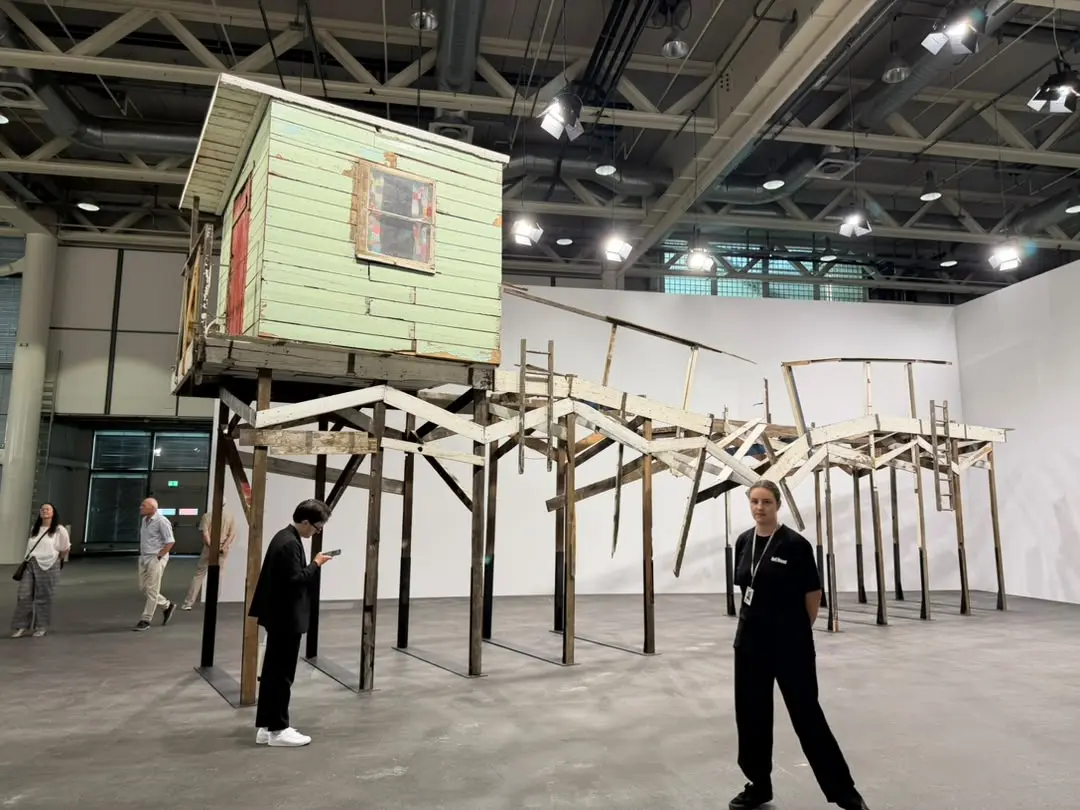
The expansion of regional art markets is creating new opportunities for Middle Eastern artists to gain greater visibility and recognition on the international stage.
_Beyond an Art Fair
Art Basel 2026 is ultimately about more than selling artworks; it is about the future—a future in which the boundaries between art, technology, and investment are becoming increasingly blurred.
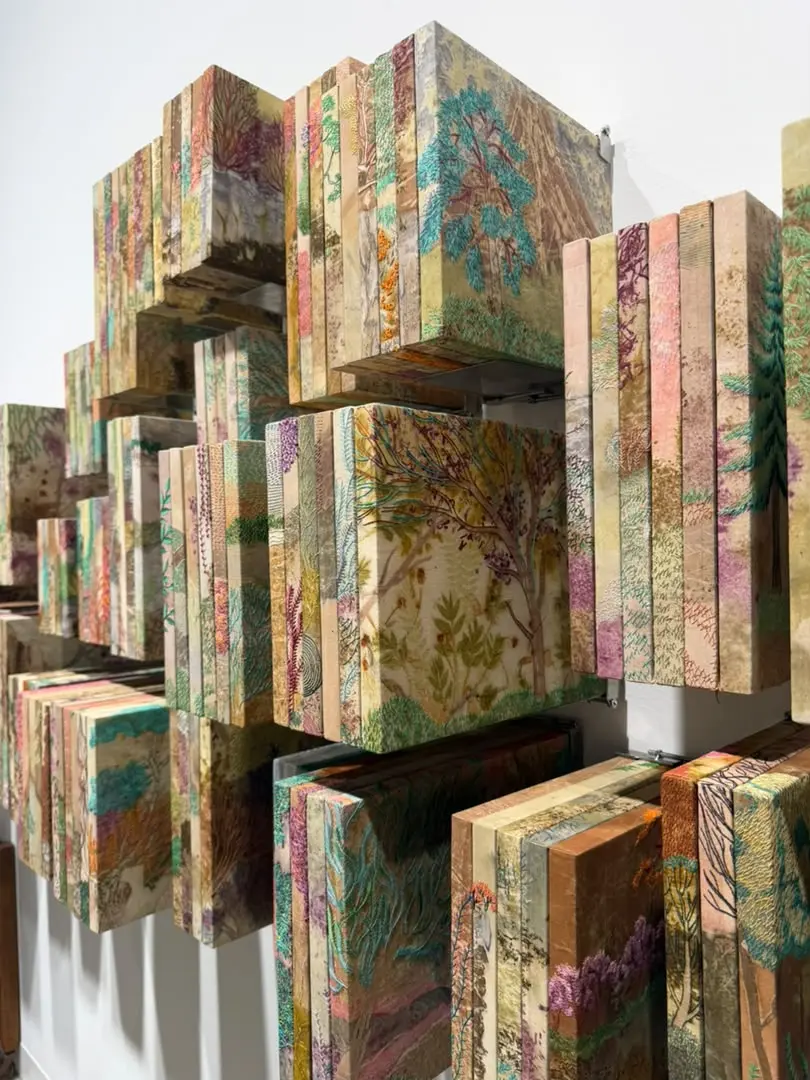
While the art market of previous decades was largely driven by modern and contemporary art, digital art, artificial intelligence, data, and interactive experiences have now become integral parts of the equation. In such an environment, the most successful players will not simply be those who acquire expensive artworks, but those who can recognize tomorrow’s transformations before everyone else.
Basel sends a clear message this year: the future of the art market has already begun.